
What Happens If You Don't Pay Your Bail Bond in Texas? Your Options Before It Becomes a Problem
Missing a bail bond payment is a contract issue between you and the bondsman, not a new crime. Depending on the agreement, the bondsman may pursue the balance, use collateral or, in some situations, ask to surrender the bond under Texas Code of Criminal Procedure Article 17.16, which can return the defendant to custody. The best step is calling your bondsman before a payment is missed. A Way Out Bail Bonds clients can call 817-261-2828 any time.
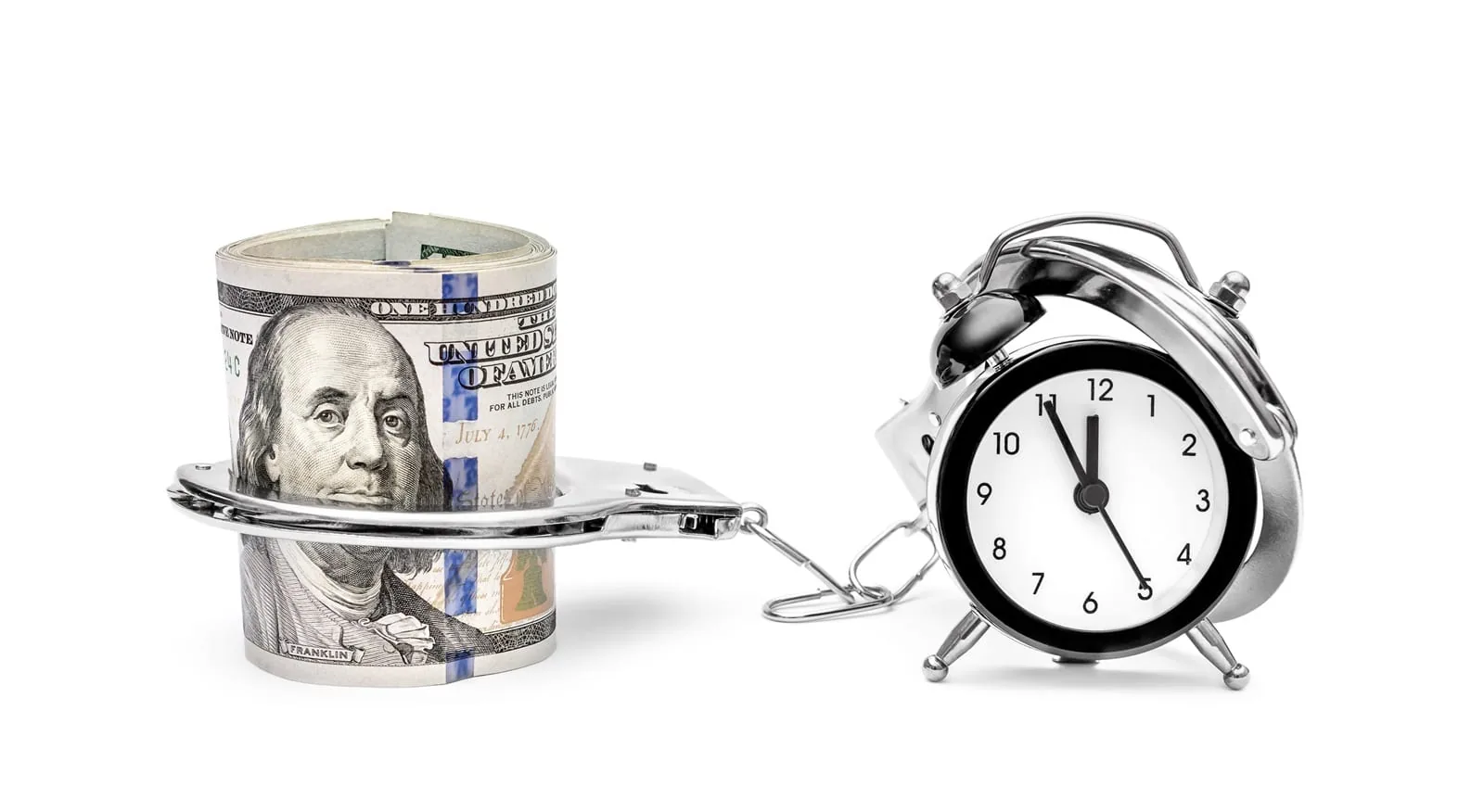
Is Not Paying a Bail Bond a Crime?
No. Falling behind on the bondsman’s fee is a contract matter, not a criminal offense. The court’s concern is whether the defendant appears in court and follows bond conditions. The payment plan is a private agreement between the bondsman and the defendant or co-signer. That said, the agreement has consequences, and ignoring it can lead to serious problems, including loss of the bond.
What Is the Difference Between the Bond and the Payment Plan?
Obligation | Owed to | What happens if broken |
Appear at every court date | The court | Forfeiture, warrant, possible new charge |
Follow bond conditions | The court | Revocation or stricter conditions |
Pay the bondsman's fee as agreed | The bondsman | Collection under the agreement, collateral, possible surrender |
Keep contact information current | The bondsman | Increased risk review, possible surrender |
Worried about an upcoming payment?
Call A Way Out Bail Bonds at 817-261-2828 or contact us online before the due date. Most payment problems are easy to fix when we hear about them early.
Can a Bondsman Take Someone Back to Jail for Missing Payments?
In some situations, yes. Texas Code of Criminal Procedure Article 17.16 allows a surety to surrender the defendant before forfeiture and be released from the bond, following the required procedure. A bondsman may consider this when the risk of the bond has changed, including serious payment default combined with loss of contact. Surrender is a last resort for a reputable bondsman. Communication almost always prevents it.
What Happens to Collateral if Payments Stop?
It depends on the written agreement. Collateral usually secures the bond amount if the defendant fails to appear, and some agreements also allow it to secure the unpaid fee. Read the collateral terms carefully and ask questions before signing. Collateral is generally returned when the case ends and every obligation is met. See the most reliable forms of bail bond collateral and removing a bail bond lien on property.
What Happens to the Co-Signer?
The co-signer usually shares responsibility for the payment plan under the agreement. If the defendant stops paying, the bondsman may contact the co-signer. If the defendant also stops communicating or misses court, the co-signer’s exposure increases. Co-signers should stay in touch with both the defendant and the bondsman. Read co-signer rights and duties in Texas.
What Should You Do If You Can’t Make a Payment?
- Call the bondsman before the due date. Explain what changed.
- Offer what you can, even if it is less than the scheduled amount.
- Ask about adjusting the plan, such as a new date or smaller installments.
- Keep attending court no matter what; the court obligation never pauses.
- Update contact information if anything has changed.
- Get any changes in writing.
What Makes a Bondsman More Flexible?
- A defendant who has never missed court.
- Steady communication from the defendant and co-signer.
- Partial payments rather than silence.
- Stable address and employment.
- A co-signer who stays involved.
Can Missing Payments Affect the Criminal Case?
Not directly. The judge does not see the payment plan. But if a bondsman surrenders the bond, the defendant returns to custody and must post a new bond to be released, which can disrupt work and the defense. The simplest protection is keeping the bondsman informed.
What If the Case Is Dismissed Before the Fee Is Paid Off?
The fee is still owed. The bail bond fee pays for posting the bond, which already happened, so dismissal of the case does not cancel the balance. The good news is that once the case is dismissed and the bond is discharged, there are no more court dates to worry about. Our post on whether bail is refundable in Tarrant County explains why.
How Do You Avoid Payment Problems From the Start?
- Choose a payment plan you can realistically keep, not the fastest one.
- Set calendar reminders for each payment.
- Use automatic card payments if the bondsman offers them.
- Ask about every term before signing, including what happens if a payment is late.
Our payment options page lists every method we accept, including credit cards, American Express, Western Union and personal checks.
What If the Defendant Moves or Loses Their Job?
Tell the bondsman right away, before the next payment is due. A new address, a new phone number or a job loss changes the bond’s risk, and the bondsman needs to know. Many bondsmen will adjust a payment plan when a client explains a job loss honestly and keeps attending court. What worries a bondsman is silence: a disconnected phone and a missed payment in the same week can look like a defendant who plans to skip court. A short call prevents that misunderstanding.
Can a Family Member Take Over the Payments?
Often yes, with the bondsman’s agreement. A parent, spouse or other co-signer can usually make payments on the defendant’s behalf, and sometimes a new co-signer can be added to the agreement. Any change should be put in writing so everyone knows who is responsible. If a co-signer wants off the bond entirely, our co-signer guide explains what that involves.
Whatever changes, keep a copy of every receipt and every written change to the plan. Clear records protect both the client and the bondsman if there is ever a question about what was paid or agreed.
What Is the Difference Between a Late Payment and a Missed Court Date?
A late payment is a problem you can fix with a phone call; a missed court date is a problem the court acts on. Missing court can lead to forfeiture of the bond, a capias warrant and possibly a separate charge for failure to appear. If both are at risk, prioritize court. Read what happens if someone jumps bail.
How A Way Out Bail Bonds Helps Tarrant County Families
A Way Out Bail Bonds has helped Arlington and Tarrant County families for decades from our office at 633 W. Division St., Suite A, directly across from the Arlington City Jail. We hold Tarrant County Bail Bond License #218, every bond is underwritten by United States Fire Insurance Company, and a live agent answers 817-261-2828 24 hours a day. When clients call us early about a payment, we work out a solution in most cases without any disruption to the bond. We offer payment plans, no credit check and Spanish-speaking agents. Read reviews from families we have helped.
Unpaid Bail Bonds: Frequently Asked Questions
Can you go to jail for not paying a bail bond in Texas?
Not paying the bondsman’s fee is not a crime. However, depending on the agreement and the circumstances, a bondsman may surrender the bond under Texas law, which can return the defendant to custody.
What can a bondsman do if I miss a payment?
Depending on the written agreement, the bondsman may contact you and the co-signer, pursue the balance, use collateral if the agreement allows it or, in some situations, surrender the bond.
What is bond surrender in Texas?
Under Code of Criminal Procedure Article 17.16, a surety can surrender the defendant before forfeiture and be released from the bond by following the required procedure. The defendant then needs a new bond to be released.
Does the co-signer have to pay if the defendant stops paying?
Usually the co-signer shares responsibility for the payment plan under the agreement. Co-signers should read the terms carefully and stay in contact with the bondsman.
Do I still owe the bail bond fee if my case is dismissed?
Yes. The fee pays for posting the bond, which already happened, so dismissal does not cancel the balance.
Can I change my bail bond payment plan?
Often, yes, if you call before a payment is missed. Many bondsmen will adjust dates or amounts for clients who communicate early.
Can a missed payment affect my court case?
The court does not see the payment plan, but a surrender for serious default would return the defendant to custody and require a new bond.
What happens to my collateral if I stop paying?
It depends on the agreement. Some agreements allow collateral to secure the unpaid fee as well as the bond amount. Read the collateral terms before signing.
Is missing a payment the same as missing court?
No. A missed payment is a contract issue with the bondsman. A missed court date can lead to forfeiture, a warrant and possibly a separate charge.
Who do I call if I can’t make my A Way Out Bail Bonds payment?
Call A Way Out Bail Bonds at 817-261-2828 before the due date. A staff member will review options with you.
Call Before a Payment Becomes a Problem
A Way Out Bail Bonds is licensed in Tarrant County and answers live 24 hours a day. One early phone call usually solves a payment issue without affecting the bond. Call 817-261-2828 right now, or contact us online and an agent will call you back. For Dallas County matters, call 214-760-9978. A Way Out Bail Bonds, 633 W. Division St., Suite A, Arlington, TX 76011. Tarrant County: 817-261-2828. Dallas County: 214-760-9978. Tarrant County Bail Bond License #218.